

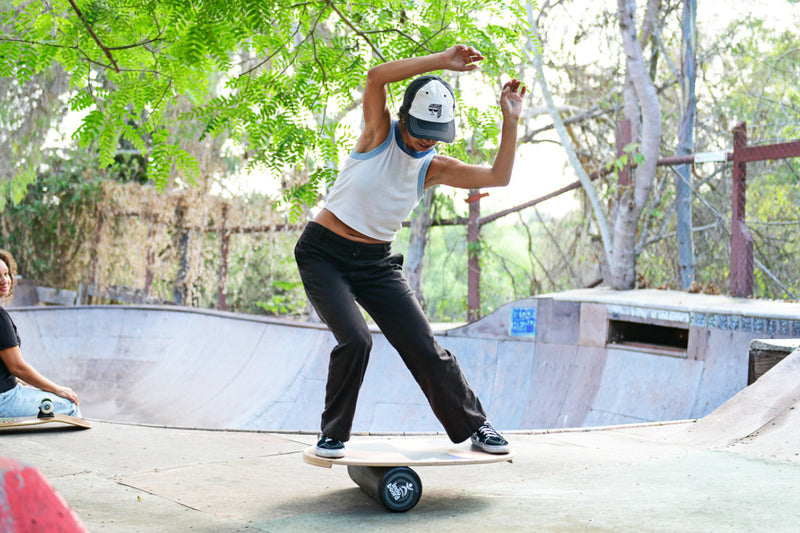

Physical therapists have incorporated balance board training into rehabilitation programs for decades. The clinical rationale is well-established: when you injure a joint, you do not just damage the structural tissue. You disrupt the proprioceptive system: the network of nerve endings in your muscles, tendons, and joint capsules that tells your brain where your body is and how to keep it stable.
Rebuilding that proprioceptive awareness is a core goal of modern rehabilitation, and balance board training is one of the most effective tools for doing it. Indo Board has been part of physical therapy programs and home rehabilitation setups since the early 2000s.
Why Balance Boards Are Used in Physical Therapy
Proprioceptive rehabilitation addresses something that strength training alone cannot fully restore. After an ankle sprain, a knee surgery, or a hip replacement, the structural damage heals with time and conventional therapy. But the disrupted neural pathways -- the ones that instinctively trigger protective muscle contractions before you even consciously register a threat to your balance, require specific and repeated stimulation to rebuild.
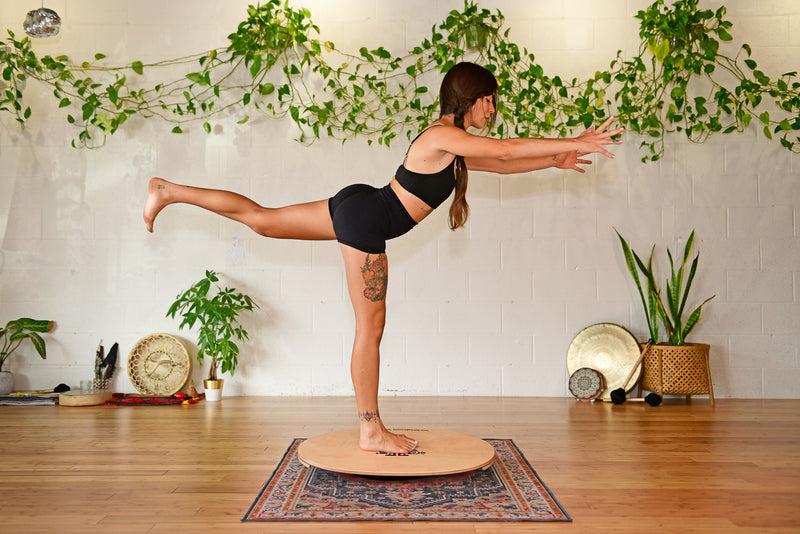
Balance board training provides that stimulation in a controlled, progressive way. Every second on an unstable surface is a rep for your proprioceptive system. The feedback loop between the instability of the board and the stabilizing response of your muscles retrains the neurological patterns that injury disrupted.
This is why patients who complete proprioceptive rehabilitation tend to have lower rates of re-injury than those who focus on strength work alone. The stabilizers are not just stronger, they are better connected to the brain's protective response system.
Conditions That Benefit Most From Balance Board Rehabilitation
Ankle sprains and instability. Ankle sprains are the most common sports injury in the world, and chronic ankle instability, where the ankle repeatedly gives way, is a frequent complication. Balance board training is consistently recommended by physical therapists for rebuilding the peroneal strength and proprioceptive sensitivity that protect the ankle joint.
ACL and knee rehabilitation. Post-surgical ACL recovery typically includes balance board work in the intermediate phases of rehabilitation, once the healing tissue is strong enough to tolerate progressive loading. The single-leg balance work that balance boards enable is particularly valuable for restoring the knee stability and neuromuscular control needed for a safe return to sport.
Hip rehabilitation and post-replacement recovery. Balance board training helps restore the hip abductor strength and dynamic stability that hip surgery disrupts. The controlled, low-impact instability of a flat-surface balance board is appropriate for patients in later stages of hip recovery who need to rebuild functional balance before returning to full activity.
Fall prevention for older adults. Balance declines naturally with age, and that decline is one of the primary contributors to fall-related injuries in older adults. Regular balance board training has been shown to improve postural stability, reaction time, and confidence in older adults -- all of which directly reduce fall risk. The controlled environment of home balance board use makes it an accessible and sustainable component of a fall prevention program.
Vestibular rehabilitation. Patients working to address vestibular disorders, conditions affecting the inner ear's role in balance, sometimes use balance boards as part of a broader vestibular rehabilitation program. The progressive instability challenges help retrain the central nervous system's integration of visual, vestibular, and proprioceptive inputs.
The Indo Board Original for Physical Therapy and Home Rehab
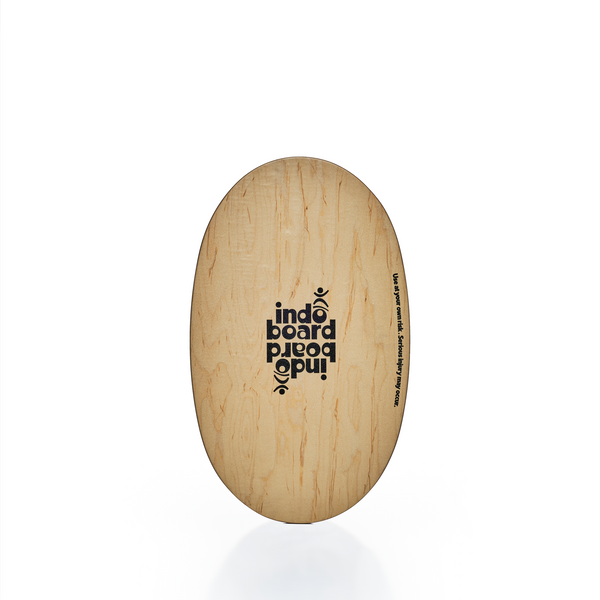
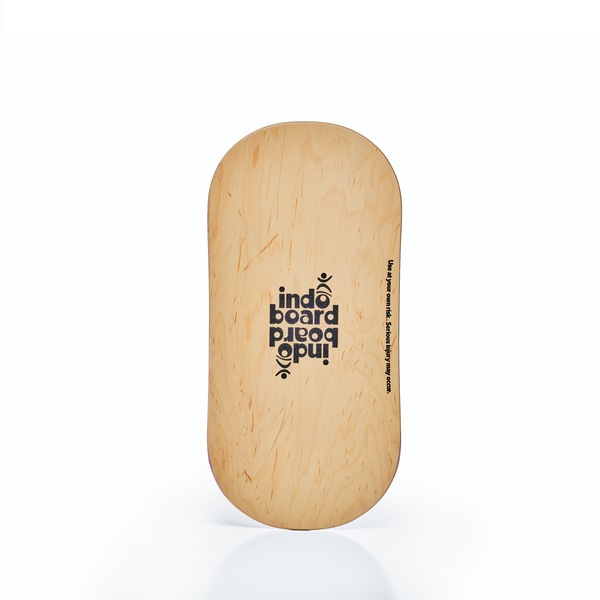
The Indo Board Original is particularly well-suited to rehabilitation and clinical use because of its controlled instability profile and flat-surface design. [Indo Board Original]
The low-profile design is also relevant for clinical use. Patients can step on and off the board safely without the height challenge that elevated setups create. For older adults or patients in early recovery stages, that accessibility matters.
From Rehab to Performance
One of the things Indo Board hears most consistently from rehabilitation patients is that they kept the board after recovery. The tool that helped them rebuild proprioceptive function after injury becomes part of their ongoing fitness routine -- a way to maintain the joint stability and balance conditioning that the rehab process built.
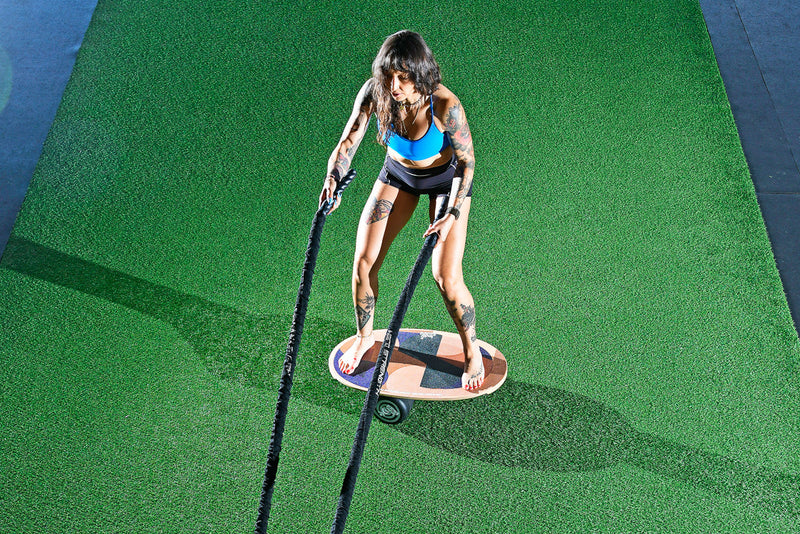
That transition from rehabilitation tool to performance training aid reflects something real about balance board training: the neurological benefits do not plateau once you are healthy. They continue to develop with consistent training, which is why athletes who have never been injured also use Indo Board as a regular part of their preparation.
Learn more about the Indo Board Original and the right setup for rehabilitation or home use. [Indo Board Stability Set]




Comments (0)
There are no comments for this article. Be the first one to leave a message!