
Most people ride an Indo Board because they want better balance, and they want to have fun. Fair enough. But what they often don't realize is that balance training doesn't just build you up physically - it builds brains. Literally.
Behind every time record, trick, and transition on the balance board is a brain that's learning, adapting, and rewiring itself. This process is called neuroplasticity, and it's what makes the Indo Board balance board more than just a balance tool - it's a true mind-body connection machine.
You know those kids you'd meet growing up who could jump on any kind of board or anything with wheels and be a natural ripper in no time? Aside from often being a little more on the fearless side - those people typically have the gift of excellent proprioception: the body's sense of its own position in space. Neuroplasticity is the magic within the brain that allows humans to develop superior proprioception, whether or not they were born with those gifts - and whether or not an injury or setback in life had taken it away.
Lots of big words there, so let's break it down.
What is Neuroplasticity (and Why Should You Care)?
Neuroplasticity is your brain's ability to change and reorganize itself in response to experience and repetition. It's how we learn to ride a bike, throw a punch, or master a surf pop-up. It's how stroke victims relearn motor skills, how athletes recover from injury, and how the nervous system stays sharp as we age. So even if we aren't in a position of needing to compensate or improve, there is always an opportunity and a reason to continue improving proprioception - and neuroplasticity is there to make it happen.
Every time you move, your brain fires signals to your muscles, gets feedback from your body, and updates its internal wiring. The more varied and challenging the movement, the more adaptable your brain becomes.
So when you're riding an Indo Board and constantly adjusting just to stay upright? You're not just working muscles - you're reshaping your brain's operating system. You're setting yourself up for success down the road - mentally and physically.
What Happens in the Brain During Balance Training?
Riding an Indo Board feels simple - stand up, don't fall. But under the surface, your brain is running a complex feedback loop that involves multiple systems firing all at once:
-
Proprioception: Your brain receives constant signals about joint angles, muscle tension, and spatial position. The unstable surface of an Indo Board dials this awareness up to 11.
-
Vestibular system: This is your inner ear's balance center, and it works overtime when you're wobbling, shifting, and reacting to unpredictable movement.
-
Motor learning: Every tiny correction your body makes on the board helps your brain refine the pattern. Over time, you go from clunky and reactive to smooth and automatic.
Together, these systems form the basis of what's often called sensorimotor integration - your brain's ability to interpret sensory data and convert it into skilled movement.
Why This Matters for Performance, Recovery, and Everyday Life
Most training focuses on output: how fast, how strong, how far. But balance board training also focuses on input - what your brain is sensing, interpreting, and deciding what to do before movement even happens.
That makes it especially powerful for:
-
Athletes: Faster reaction times, better coordination, and improved movement efficiency all come from a tightly integrated mind-body connection.
-
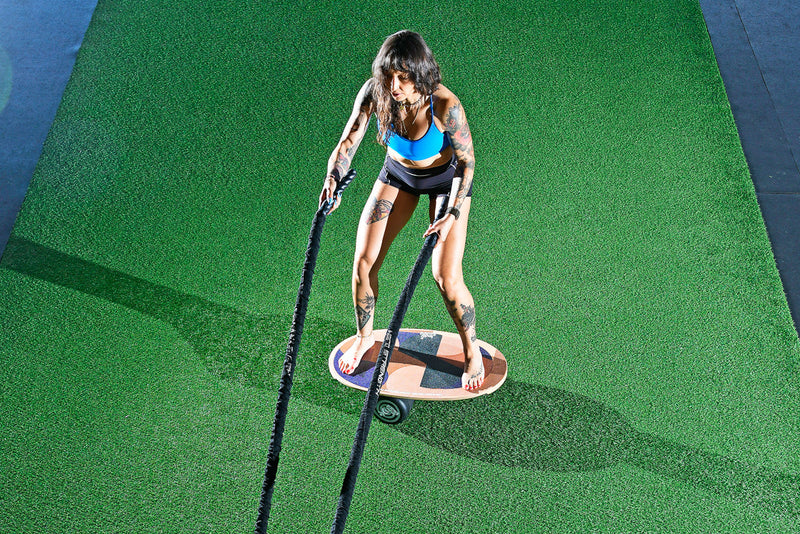
Fighters: In boxing and MMA, the ability to read movement, stay reactive, and maintain control under stress is what separates elite fighters from everyone else.
-
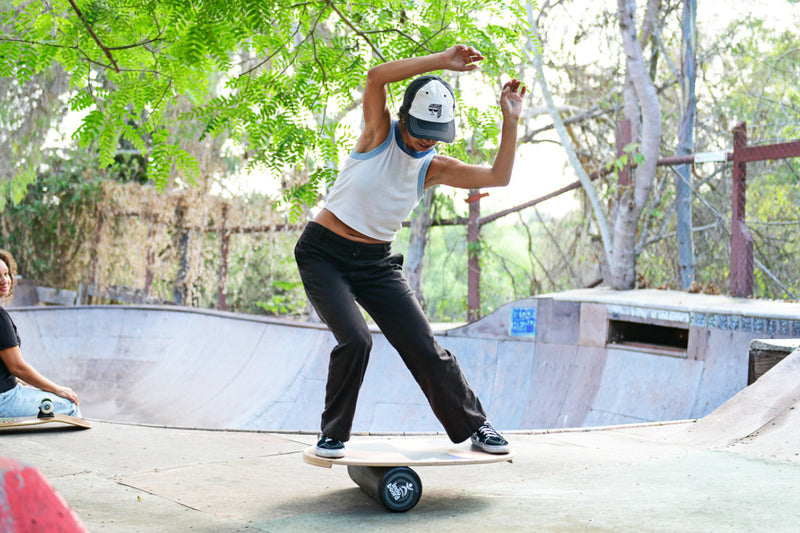
Surfers and skaters: The ever-changing balance demands of their sports map almost perfectly to Indo Board training. It's no surprise that Indo Board was founded by a lifelong surfer / skateboarder.
-
Yoga and movement practitioners: Adding instability introduces a whole new layer of body awareness and control.
-
Rehab and injury prevention: The brain needs varied, low-impact movement to re-establish neuromuscular patterns after injury. The Indo Board delivers exactly that. You'll often find an Indo Board posted up in the better physical therapy offices out there.
Even if you're not training for sport, sharpening your balance and brain-body coordination improves posture, prevents falls, and boosts overall quality of life - especially as we age. "If you don't use it, you lose it" rings extra true here.
The Indo Board vs. Other Balance Trainers
Plenty of balance tools exist. BOSU balls. Wobble boards. Foam pads. But the Indo Board stands apart in one key way: dynamic unpredictability.
With the roller or cushion underneath, the board can shift in multiple directions. Your brain doesn't get to "zone out" or repeat a pattern - it has to stay alert and responsive the entire time. Sure, you can master it to the point where you can at least keep the board up and off the ground without putting conscious thought into it - but that just means that neuroplasticity has made your brain elite in this department, as it handles the task without even needing 'you' to think for yourself. (That's a good thing)
That level of sensory input forces the brain to refine its neural maps in real time. It's more demanding, but far more effective in building long-term coordination and control.
In short: The Indo Board is chaos with purpose. And your brain loves it.
How Indo Board Training Rewires the Mind
Here's what consistent Indo Board practice actually does to your brain:
-
Strengthens neural pathways for coordination and balance.
-
Improves sensory processing, especially proprioception and vestibular function.
-
Builds faster motor responses - meaning you don't just move better, you react faster.
-
Enhances cognitive flexibility, especially when performing drills or movements that require focus, sequencing, and spatial awareness.
-
Reduces "neurological noise" - that sluggish lag between intention and action.
All of this translates into smoother movement, sharper reflexes, and a body that feels like it's finally working with you - not against you. If you're an action sports person, this translates to noticeable improvement in your game.
How to Get Started
You don't need to be a pro to train your brain. Even 5 - 10 minutes a day on the Indo Board starts to activate the neuroplastic benefits. Try:
-
Static holds with soft knees and eyes closed
-
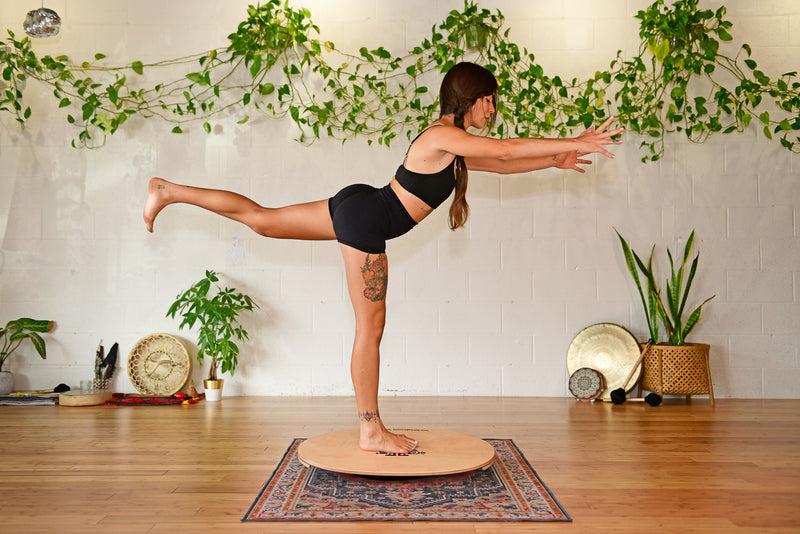
Slow-motion yoga poses on the board
-
Roller-to-cushion transitions to mix up the challenge
-
Mindful breathing while balancing
- The good old fashioned: stand on the board while watching your favorite show or sport on TV. Keep the board from hitting the ground for as long as you can.
Keep it simple at first. The goal isn't to "win" the board. It's to create awareness, challenge your brain, and develop a deeper connection to your own body.
New to the Indo Board? Check out our complete how-to guide for beginners — it covers stance, mounting, safety tips, and exercises for every skill level. Not sure which board is right for you? Read our Indo Board Original vs. Rocker comparison to find your perfect match.
Final Word
The Indo Board might look like a piece of wood and a roller - but it's much more than that. It's a tool that speaks to your nervous system. It's like fancy gym equipment for your brain. A way to stay sharp, focused, and fully engaged with the way you move through the world.
Balance isn't just physical. It's neurological. And the Indo Board is your gateway to mastering both.