

Balance Board Benefits: What 25 Years of Riders Have Discovered
Balance board training works. That is not a marketing claim. It is what 25 years of surfers, snowboarders, skaters, hockey players, and fitness athletes have told us through their results and their loyalty to this kind of training. The benefits go well beyond what most people expect when they step on a board for the first time.
Here is what you can realistically expect from consistent balance board training and why it earns a permanent spot in serious athletes' routines.
Improved Balance and Proprioception
Proprioception is your body's ability to sense its own position in space. It is the reason a hockey player adjusts their edge without looking at the ice, or why a surfer instinctively shifts weight in a drop. Most gym training does almost nothing for proprioception. Balance board training does almost nothing but.
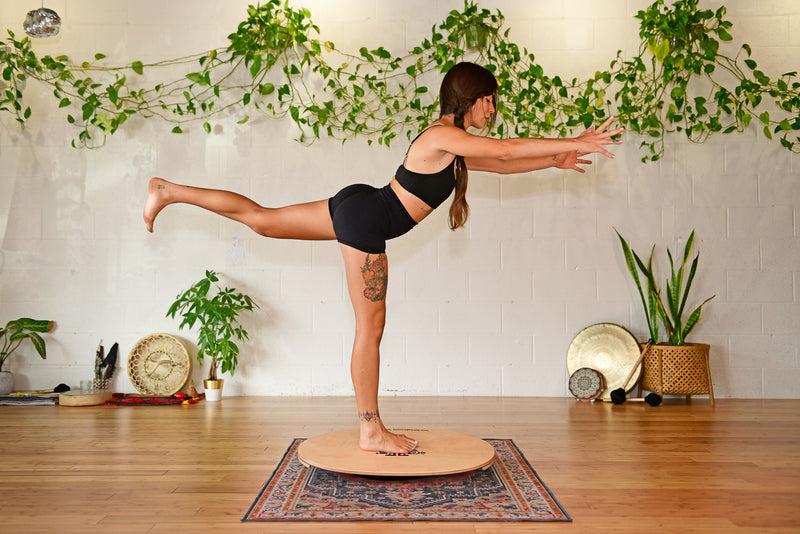
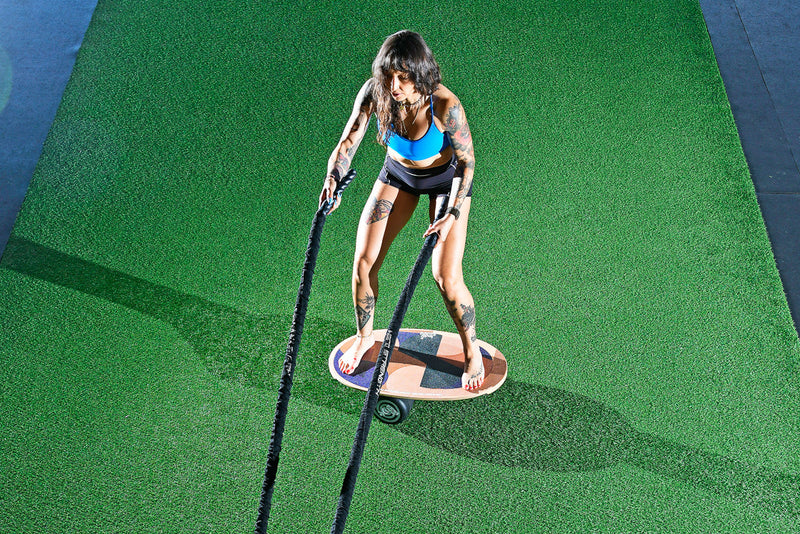
Every second you spend on an Indo Board, your body is processing thousands of micro-signals from your feet, ankles, knees, and hips. The stabilizer muscles that rarely get activated in conventional exercise are constantly firing. Over time, your baseline sense of balance improves measurably -- on the board and off it.
Surfers report it in their pop-ups. Snowboarders feel it in their edge transitions. Hockey players notice it in their recovery when they get bumped. The transfer to real-world sport is consistent and well-documented by the athletes who train this way.
Core Strength Without the Gym
The core is not just your abs. It is the full interconnected system of muscles from your hips to your shoulders that holds your body upright and transfers power from your lower body to your upper body. Balance board training engages the entire system every time you ride.
Because the board is unstable, your core cannot rest. There is no way to "cheat" a balance board the way you can cheat a plank or a crunch. The instability forces genuine engagement. Indo Board riders consistently report improvements in core strength within the first few weeks of regular training, often in areas that years of traditional core work had not addressed.
For riders who want to push the challenge further, adding the Indo FLO Cushion introduces a second layer of instability that intensifies the core demand significantly.
Injury Prevention and Joint Stability
Ankle sprains, knee injuries, and hip instability are among the most common athletic injuries -- and many of them are preventable with proper proprioceptive conditioning. Balance board training strengthens the small stabilizing muscles around those joints that conventional strength training tends to miss.
Physical therapists have recommended Indo Board for joint stability work since the early 2000s. The logic is straightforward: if you train the stabilizers that protect your joints, your joints are more protected. Athletes who incorporate regular balance training tend to have fewer non-contact lower-body injuries over time.
This is also why Indo Board is frequently used in post-injury rehabilitation. Recovering athletes use the board to rebuild proprioceptive pathways that are disrupted by injury, getting back to sport faster and with a lower rate of re-injury.
Sport-Specific Performance
Different sports get different things from balance board training, but all of them get something real.
• Surfers use Indo Board to simulate the lateral weight shifts and nose-to-tail movements of surfing, maintaining muscle memory and board feel during flat spells or off-season periods.
• Snowboarders and skiers train edge transitions and hip-drop mechanics, keeping the neural patterns sharp when there is no snow.
• Hockey players develop the lateral stability and quick-recovery balance that ice skating demands. The cylindrical roller on the Original Board creates a dynamic similar enough to skate mechanics that the transfer is direct.
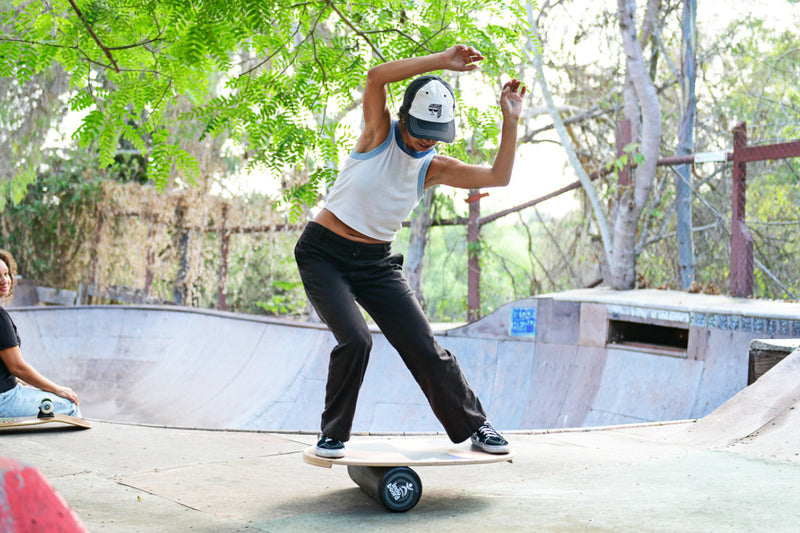
• Skateboarders use it to practice weight distribution and board feel without needing a specific spot or risking a session-ending bail.
The common thread is this: balance is a skill, and like any skill it degrades without practice. Indo Board is how serious athletes keep that skill sharp year-round.
A Habit That Fits Real Life
One of the most common things Indo Board riders say is that they were surprised by how little time it takes to feel the benefits. Fifteen to twenty minutes a day is a meaningful session. The board fits in a closet, works on carpet or hardwood, and requires no warmup, no equipment setup, and no commute to a gym.
For athletes and active adults who are already stretched thin on time, that accessibility is not a small thing. A training habit you can actually maintain is more valuable than an ideal program you cannot.
Indo Board has been in American homes, garages, and surf shops since 1998. The people who own one tend to keep it -- and use it -- for years.
Ready to start? Browse the full Indo Board collection and find the right setup for your training goals. Shop Indo Board



Comments (0)
There are no comments for this article. Be the first one to leave a message!